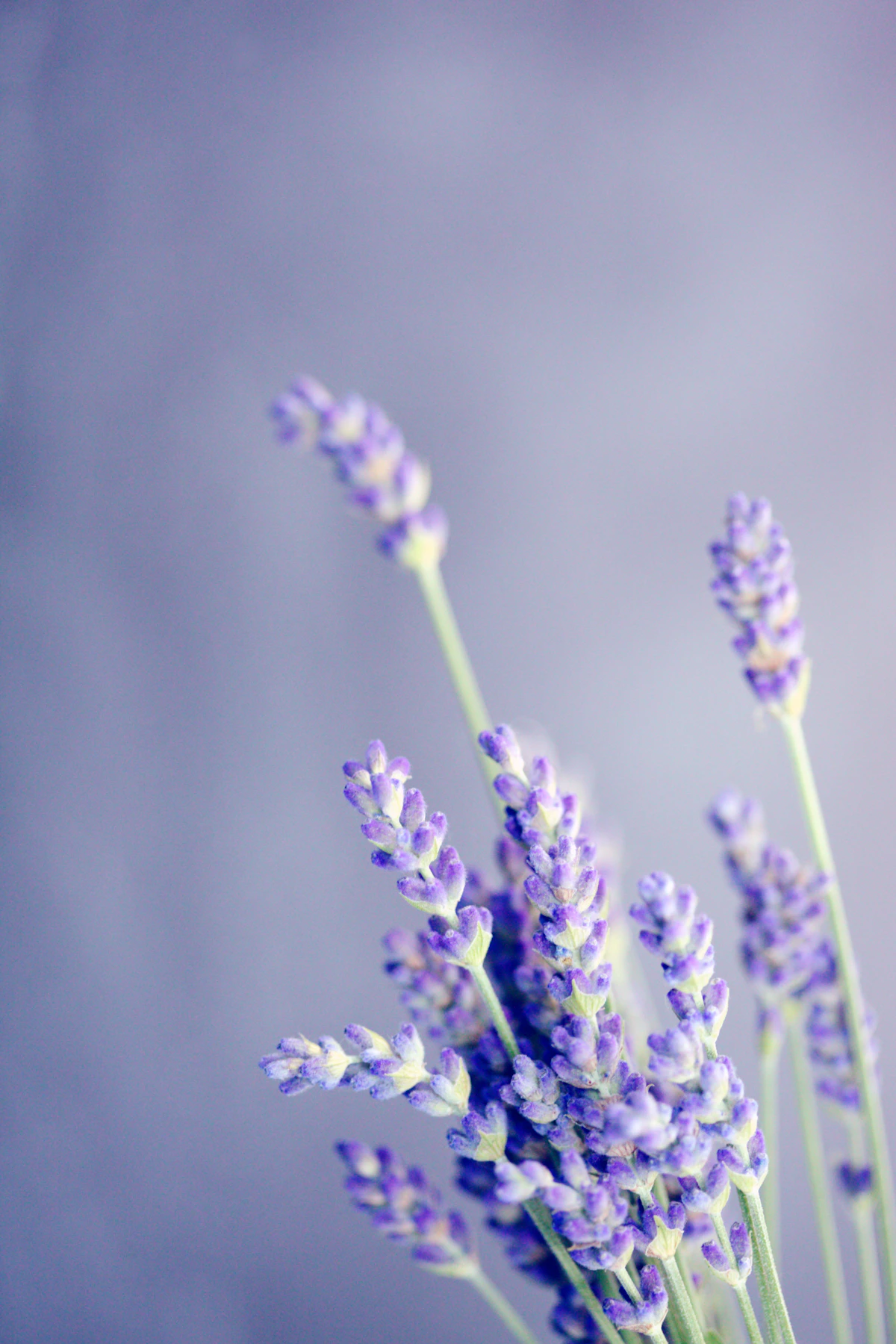
Aromatherapy sounds like it belongs in a spa brochure, but the practice is far older and more practical than its wellness-industry packaging suggests. Humans have used aromatic plant extracts for thousands of years, from ancient Egyptian embalming rituals to medieval plague doctors stuffing herbs into beak-shaped masks. The science has moved on since then. Here's what we know today and how to put it to use.
What Are Essential Oils, Exactly?
Essential oils are concentrated liquids extracted from the leaves, flowers, bark, roots or peel of plants. The word "essential" doesn't mean necessary; it refers to the "essence" of the plant's fragrance. A single drop of rose essential oil contains the aromatic compounds of roughly 60 roses.
The two most common extraction methods are steam distillation (used for most herbs and flowers) and cold pressing (used for citrus peels). The method matters because it affects the oil's chemical composition and, therefore, its therapeutic properties.
How Aromatherapy Works
When you inhale an essential oil, volatile molecules travel through the nasal passage to the olfactory bulb, which connects directly to the limbic system, the part of the brain governing emotion, memory and certain autonomic functions. This is why a particular scent can trigger a vivid memory or shift your mood in seconds.
Applied topically (always diluted in a carrier oil), some compounds are absorbed through the skin and enter the bloodstream. Lavender's linalool, for instance, has been shown to reduce cortisol levels in several peer-reviewed studies.
Aromatherapy isn't a replacement for medical treatment. It's a complement: one tool among many for supporting your physical and mental wellbeing.
Five Oils Every Beginner Should Know
- Lavender -- the most versatile oil. Calming, sleep-supportive, gentle enough for most skin types when properly diluted.
- Peppermint -- cooling and energising. Helpful for headaches, mental fatigue and nausea.
- Tea Tree -- antimicrobial and cleansing. Useful in household cleaning blends and for minor skin blemishes.
- Eucalyptus -- decongestant and respiratory support. Add a few drops to a bowl of hot water for steam inhalation.
- Lemon -- bright and uplifting. Excellent in a morning diffuser blend or diluted in cleaning sprays.
How to Use Essential Oils Safely
Never apply undiluted to skin. Essential oils are highly concentrated. A safe dilution for adults is typically 2-3% in a carrier oil such as jojoba, sweet almond or fractionated coconut oil. For a 10ml roller bottle, that means 4-6 drops of essential oil.
Diffuse in ventilated spaces. Run a diffuser for 30-60 minutes at a time rather than continuously. This gives your olfactory system a break and prevents the room from becoming oversaturated.
Keep away from children and pets. Some oils are toxic to cats and dogs, and children are more sensitive to concentrated plant compounds. Always research individual oils before using them in a household with young children or animals.
Store correctly. Amber or cobalt glass bottles, away from direct sunlight, in a cool cupboard. Most oils keep for one to three years when stored properly. Citrus oils oxidise faster and should be used within 12 months.
Diffusing vs. Topical vs. Bath
Diffusing is the simplest entry point. An ultrasonic diffuser disperses a fine mist of water and oil into the air. Start with 3-5 drops in a standard home diffuser and adjust to your preference.
Topical application works well for targeted concerns: a lavender roll-on for the temples before sleep, a peppermint blend rubbed into the back of the neck during an afternoon slump. Always patch-test on a small area of skin first.
Adding oils to a bath requires an emulsifier. Oil and water don't mix, so drops added directly to bathwater will float on the surface and can irritate skin. Mix your chosen oils into a tablespoon of carrier oil or unscented bath gel first, then add to running water.
How to Spot Poor-Quality Oils
The essential oils market is poorly regulated, and adulteration is common. Watch for these red flags:
- Uniform pricing across all oils. Rose and sandalwood cost dramatically more to produce than lemon or eucalyptus. If everything is the same price, something is diluted or synthetic.
- No botanical (Latin) name on the label.
- Plastic bottles. Genuine essential oils degrade plastic over time.
- Claims of being "therapeutic grade" or "certified pure." These are marketing terms, not regulated standards.
- No country of origin listed.
The best indicator of quality is a gas chromatography-mass spectrometry (GC-MS) report available for each batch. At Aromasera, we publish these for every oil we sell. If a supplier can't provide one, move on.
Have questions about specific oils or how to build a starter collection? We're always happy to help. Email us at [email protected].